
TeachersFirst's African-American History Resources
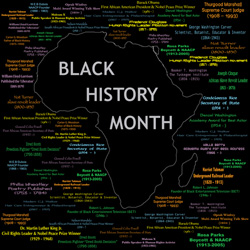
Black History Month, held in February in the United States, is a celebration of the many achievements of African-Americans. Although it started in the United States it is now celebrated throughout the world and not limited to the month of February. This curated collection includes teaching ideas, biographies, interactive sites, research materials, and more to learn about the pivotal roles that African-Americans have had in history and continue to have today. Find inspiration and resources to share with students related to historical time periods, famous figures, and much more.
View our entire collection of tagged resources for Black History.
31 Results | sort by:
America's Second Independence Day - Juneteenth - TeachersFirst
Grades
K to 12
tag(s): black history (125), book lists (162), civil rights (195), emancipation proclamation (11), Juneteenth (22), slavery (76), texas (7)
In the Classroom
Use the suggested activities and book lists to find resources for teaching about Juneteenth in your classroom. Include these lessons as part of Black History Month and when teaching about United States history and civil rights. Engage students in learning about Juneteenth by asking them to create interactive presentations using Genially, reviewed here. Search for Juneteenth on Genially to find a template to use when presenting Juneteenth to students or for students to use to share their knowledge on this topic. Extend learning using Figjam, reviewed here, an online interactive whiteboard, to share additional resources, add polls, diagrams, sketches, and more using Figjam.You must be registered and logged in to add items to your favorites.
Use the form at the top of the page to log in, or click here to join TeachersFirst (it's free!).
The Birth of Juneteenth; Voices of the Enslaved - Library of Congress and Neely Tucker
Grades
8 to 12tag(s): black history (125), civil rights (195), civil war (135), Juneteenth (22), primary sources (116), slavery (76)
In the Classroom
Bookmark and save this article to use when planning lessons on Juneteenth, slavery, or the Civil War, both as a resource of quality information and to access the many primary source links found in the article. Visit the Library of Congress: For Teachers, reviewed here to search and find many more Juneteenth-related documents. Engage students in learning more about Juneteenth by asking them to research information through different focus points. For example, this article discusses specific cities, people, and architecture. Ask students to share their learning by creating infographics using templates from Timeline Infographic Templates, reviewed here or Adobe Creative Cloud Express for Education, reviewed here.Add your comments below (available only to members) | Become a Member
You must be registered and logged in to add items to your favorites.
Use the form at the top of the page to log in, or click here to join TeachersFirst (it's free!).
Teaching Juneteenth - Learning for Justice and Coshandra Dillard
Grades
8 to 12tag(s): black history (125), civil rights (195), civil war (135), Juneteenth (22), racism (76), slavery (76)
In the Classroom
Include this article with your other resources for teaching about Juneteenth, Civil Rights, and slavery to use as a guide for lesson planning. As you gather resources to teach about each focus topic, organize information using Padlet, reviewed here. Create a column within your Padlet for each topic, then add links to your teaching resources. Alternatively, use Wakelet, reviewed here to save and organize resources by creating a collection for each topic. Engage students in Juneteenth lessons using Curipod's lesson generators, reviewed here. For example, use the Did You Know generator to create slides with information about Juneteenth or the Lesson Hook Generator to build a set of slides with open-ended questions for students to discuss. Extend student learning by asking them to create and share podcasts exploring Juneteenth through the different lenses discussed in the article. Buzzsprout, reviewed here offers free tools for creating and sharing professional-looking podcasts.Add your comments below (available only to members) | Become a Member
You must be registered and logged in to add items to your favorites.
Use the form at the top of the page to log in, or click here to join TeachersFirst (it's free!).
What is Juneteenth, and Why is it Important? - Ted-Ed
Grades
2 to 8tag(s): black history (125), civil rights (195), Juneteenth (22), slavery (76), texas (7)
In the Classroom
Share this lesson with students to complete at school or as a flipped learning lesson. On their own or with a partner, have students answer the multiple-choice and open-answer questions by clicking on "Think." Then, consider having small student groups read the additional information inside the Dig Deeper section and investigate the links with the information. Following that, have groups share the information with other class members. For a mini project like this, consider using the tools available at Adobe Creative Cloud Express for Education, reviewed here for students to create presentations, infographics, and other visual media. Another project suggestion would be to have small groups of students investigate the story of Juneteenth further through different perspectives, such as that of a soldier, Texas citizens, or children. You could have them produce an animated video using a program like moovly, reviewed here.Add your comments below (available only to members) | Become a Member
You must be registered and logged in to add items to your favorites.
Use the form at the top of the page to log in, or click here to join TeachersFirst (it's free!).
Freedom on the Move - Cornell University
Grades
3 to 12tag(s): black history (125), civil rights (195), civil war (135), primary sources (116), slavery (76)
In the Classroom
Include this database with your other resources when studying Black history, the Civil War, or American History during the early to mid-1800s. Engage students by sharing this site and allowing them time to explore on their own by searching by your location. Each of the ads provides interesting details and descriptions that provoke class discussions and perspectives on the treatment of enslaved people. As students learn and research more information about fugitives from slavery, use Genially, reviewed here, to create interactive images that share additional information about the location, the role of enslaved people, and possible journeys to freedom. As an extension activity, ask groups of students to collaboratively create a map of the journey to freedom of some of the enslaved people found in the site's database using Google My Maps, reviewed here. In addition to mapping the journey, Google My Maps allows you to add links to additional information, videos, and primary source information to provide a complete overview of the difficulties encountered as a fugitive from slavery.Add your comments below (available only to members) | Become a Member
You must be registered and logged in to add items to your favorites.
Use the form at the top of the page to log in, or click here to join TeachersFirst (it's free!).
Black History Milestones: Timeline - History.com
Grades
6 to 12tag(s): black history (125), civil rights (195), martin luther king (40), presidents (122), racism (76), rosa parks (7), slavery (76), women (137)
In the Classroom
Include this timeline with your Black history and civil rights resources. Share with students using Padlet, reviewed here, along with other resources including videos, weblinks, and reading suggestions. Other considerations for using Padlet are to use the column feature in Padlet to sort information by dates or use the timeline option to build a visual timeline of the events shared in this timeline and additional ones taught in class. Ask students to share their understanding by creating timelines using the templates found at Canva Edu, reviewed here or Knight Lab, reviewed here.Add your comments below (available only to members) | Become a Member
You must be registered and logged in to add items to your favorites.
Use the form at the top of the page to log in, or click here to join TeachersFirst (it's free!).
Freedom Riders - PBS
Grades
6 to 12This site includes advertising.
tag(s): 1960s (26), black history (125), civil rights (195), congress (39), racism (76), social and emotional learning (86)
In the Classroom
This film is almost two hours long; however, it includes dividing points that break the video into several shorter chapters. Consider sharing this film with students for several days not only as a means for adapting to time constraints but also to allow time to process and discuss the information in shorter chunks. Consider including this video as part of a Symbaloo Learning Path, reviewed here. Include additional resources as part of the learning path for students to read and view, along with short quizzes or opportunities to share their reflections on the information. As an opportunity for reflection use PodcastGenerator, reviewed here, to encourage an ongoing conversation about the events shared in this film. Create a channel to discuss each chapter, including a prompt to initiate student discussions. For more ideas on facilitating difficult conversations in the classroom, visit the TeachersFirst Special Topics Page, located here, that is devoted to resources for difficult conversations.Add your comments below (available only to members) | Become a Member
You must be registered and logged in to add items to your favorites.
Use the form at the top of the page to log in, or click here to join TeachersFirst (it's free!).
Do's and Don'ts of Teaching Black History - Learning for Justice
Grades
K to 12tag(s): black history (125), civil rights (195), cross cultural understanding (155), cultures (131), difficult conversations (58), martin luther king (40), politics (113), racism (76), rosa parks (7)
In the Classroom
Bookmark and use the information provided in the article as a guideline for teaching Black history, not just during Black History Month but throughout the year. Find many Black History resources at the TeachersFirst Black History Special Topics page, found here, or within many of the Reading Treks, found here. The Reading Treks share virtual field trips of resources based upon literature and include many Black history selections. Celebrate your students' learning throughout the year using digital tools to create virtual field trips using Google My Maps, reviewed here, or creating interactive infographics using Canva Infographic Templates, reviewed here.Add your comments below (available only to members) | Become a Member
You must be registered and logged in to add items to your favorites.
Use the form at the top of the page to log in, or click here to join TeachersFirst (it's free!).
BlackPast - BlackPast.org
Grades
6 to 12tag(s): african american (109), biographies (95), branches of government (62), civil rights (195), inventors and inventions (70), journalism (72), racism (76), sports (81), STEM (267)
In the Classroom
BlackPast is a must-have for any social studies classroom. Bookmark this resource to use when learning about Black history, African-American biographies, important events, and more. Consider creating a Padlet, reviewed here, to save different articles from BlackPast for students to easily access specific information. Use the shelf option to divide your Padlet into sections by date, topic, or events. Padlet also has a timeline feature when creating biographies or highlighting important dates within a specific time. Ask students to create blogs using Edublogs, reviewed here, to share information learned from this site. As students prepare to "show what they know," modify their technology use by asking them to use Sway, reviewed here, as a presentation tool and include images, videos, and student writing to share their learning.Add your comments below (available only to members) | Become a Member
You must be registered and logged in to add items to your favorites.
Use the form at the top of the page to log in, or click here to join TeachersFirst (it's free!).
The Sojourner Truth Project - Leslie Podell
Grades
8 to 12tag(s): black history (125), civil rights (195), primary sources (116), womens suffrage (44)
In the Classroom
Include information from this site as part of lessons on women's rights and slavery. Create an online course using eduflow, reviewed here, to guide students through their exploration of the work of Sojourner Truth. Include additional information for students to use for comparison, guide students through their comparison of the two texts, and add videos for students to view. eduflow offers tools for in-app recordings to use for student discussions. Use Edpuzzle, reviewed here, to add comments and questions into the videos to guide student thinking and focus on important areas within the speeches. Challenge students to explore and research other examples of revisions to history and share their findings through a multimedia presentation. Examples of presentation tools include Adobe Creative Cloud Express for Education, reviewed here, and Genially, reviewed here.Add your comments below (available only to members) | Become a Member
You must be registered and logged in to add items to your favorites.
Use the form at the top of the page to log in, or click here to join TeachersFirst (it's free!).
The Lowdown: The Obama Years, A Retrospective Lesson Plan - PBS Learning Media
Grades
6 to 12tag(s): 20th century (61), black history (125), presidents (122)
In the Classroom
As you explore the interactive timeline together as a class or with small groups, use a simple polling tool like SurveyPlanet, reviewed here, to assess student understanding of the different events on the timeline. Use SurveyPlanet to add each event to a poll and ask students to weigh in on their opinion on if the event was an accomplishment or a setback to the Obama administration. Use an online curation tool such as Padlet, reviewed here, to organize and share additional resources with students to enhance learning. For example, create a Padlet with columns for each year of the Obama presidency and add online articles from different resources that discuss each event. Extend learning by asking students to apply their knowledge of the Obama presidency and compare it to another president's term in office using one of the storytelling tools found at Knight Lab, reviewed here. Scroll down Knight Lab's main page to find options that include a Storyline to tell the stories behind numbers, StoryMap - maps that tell numbers, and a timeline creation tool.Add your comments below (available only to members) | Become a Member
You must be registered and logged in to add items to your favorites.
Use the form at the top of the page to log in, or click here to join TeachersFirst (it's free!).
Harriet Tubman: Abolition Activist - PBS Learning Media
Grades
3 to 7tag(s): black history (125), civil rights (195), civil war (135), primary sources (116), women (137)
In the Classroom
This lesson provides an excellent starting point for lessons about Harriet Tubman, strong females, and the Underground Railroad. Use the provided links to assign to students within Google Classroom and other media tools. Take advantage of technology to enhance student learning beyond the basics of this lesson. Instead of using the printable graphic organizer, use an online tool such a Holt Interactive Graphic Organizers, reviewed here, to create diagrams, mindmaps, and other visual graphic organizers. Use the Venn Diagram feature to compare and contrast Civil War times to the present, use the flow chart to help students visualize the flow of events leading up to and through the Civil War, or use the diagramming features to organize Civil War information including events, people, and places. Use an online bookmarking tool such as Padlet, reviewed here, to organize and share online resources with students. Extend student learning even further by asking them to use a game-creation tool like Scratch, reviewed here, to create a game. Use facts, places, and events within the games to reinforce and teach about Harriet Tubman and her peers.Add your comments below (available only to members) | Become a Member
You must be registered and logged in to add items to your favorites.
Use the form at the top of the page to log in, or click here to join TeachersFirst (it's free!).
Sojourner Truth: Abolitionist and Human Rights Activist - PBS Learning Media
Grades
3 to 7tag(s): black history (125), civil rights (195), civil war (135), women (137)
In the Classroom
Take advantage of this free lesson to introduce students to Sojourner Truth, Civil Rights, or Women's Rights. Share the lesson into your Google Classroom account using the provided link. Extend this lesson using technology to motivate and engage students as they learn more about each topic. Create an entire unit that includes this lesson within Actively Learn, reviewed here. Include links to additional online resources, have students take notes, and include assessments all within the Actively Learn framework. Use the many resources found at ReadWriteThink, reviewed here, to help students organize and share information. For example, use the Bio Cube with students to organize biographical information on Sojourner Truth or have students use the Comic Creator to tell the story of Sojourner Truth. For a complete multimedia presentation, ask students to use Book Creator, reviewed here, to share their information about Women's Rights. Book Creator offers a variety of options to include in the digital books such as video, images, audio, and more.Add your comments below (available only to members) | Become a Member
You must be registered and logged in to add items to your favorites.
Use the form at the top of the page to log in, or click here to join TeachersFirst (it's free!).
Meet the Man Who Created Black History Month - CNN Staff
Grades
5 to 12This site includes advertising.
tag(s): african american (109), biographies (95), black history (125)
In the Classroom
Include this article with other resources for student use not only during Black History Month but throughout the year as inspiration when writing biographies, studying careers, or learning about influential Americans. Take advantage of some of the free resources found at Class Tools, reviewed here, and ask students to create a Fakebook profile of Mr. Woodson or use the Turbo Timeline generator to produce a timeline of key events. Have students share their learning through a variety of digital tools. Use Site123, reviewed here, or Carrd, reviewed here, to create a webpage featuring student research and writing. Use Symbaloo Learning Paths, reviewed here, to extend learning by asking students to become the teacher. Have students create a learning path for classmates to teach them about Carter G. Woodson or other famous African-Americans. When finished, your class will have a complete library of biographies to learn from!Add your comments below (available only to members) | Become a Member
You must be registered and logged in to add items to your favorites.
Use the form at the top of the page to log in, or click here to join TeachersFirst (it's free!).
Mary McLeod Bethune - Learning for Justice
Grades
6 to 12tag(s): black history (125), civil rights (195), women (137)
In the Classroom
Use the provided link to import this lesson into your Google Classroom account. This lesson is part of a four-part series, use the other lessons to build your unit on black history or famous women. As you add additional resources to your lesson, enhance student learning by using Kami, reviewed here, as a collaborative discussion tool. Kami includes tools for highlighting and adding notes to online articles to facilitate peer discussions. Further enhance learning by helping students highlight important information from within articles using a word cloud creation tool like Wordsift, reviewed here. Copy and paste any text into Wordsift to highlight and enlarge frequently used words. Use this information to guide students toward significant portions of text. Ask students to use a digital annotation tool such as Image Annotator, reviewed here, to add notes, links, and additional information to images. Extend student learning by encouraging them to learn more about Mary McLeod Bethune and other feminists and then creating and sharing podcasts. One easy introduction to podcasts is through the use of Acast, reviewed here. Have students use Acast to give a "You Are There" presentation sharing events as they happened during Bethune's life, or to share their takeaways of the importance of Mary McLeod Bethune's contributions to women's rights.Add your comments below (available only to members) | Become a Member
You must be registered and logged in to add items to your favorites.
Use the form at the top of the page to log in, or click here to join TeachersFirst (it's free!).
Famous African Americans - Famous African Americans.org
Grades
6 to 12This site includes advertising.
tag(s): african american (109), biographies (95), black history (125), cultures (131)
In the Classroom
This is an excellent site to use as part of a biography unit to match biographies to individual student interests. Allow students to choose a category. Have them read several biographies from that category, then research an African American that hasn't been included on this site. Have students use these biographies as a model to write about the person they researched. Instead of using paper and pen to write down information, ask students to use Google Docs or Microsoft Word to begin research. Using these online documents affords many benefits, including the ability to add comments, highlight information, and add links to online information. Once research is underway, suggest that students use a bookmarking tool like Raindrop.io, reviewed here, to organize information. Raindrop.io includes the ability to add notes to bookmarks, making it easy for students to label and add information for later use. As a final project and to extend student learning, ask students to create their own book using OurBoox, reviewed here, that includes images, videos, and text. Math teachers could have students figure out which category has the most people in it, or what percentage of the site is dedicated to the category they are interested in.Add your comments below (available only to members) | Become a Member
You must be registered and logged in to add items to your favorites.
Use the form at the top of the page to log in, or click here to join TeachersFirst (it's free!).
Reading Trek: Turning 15 on the Road to Freedom - TeachersFirst
Grades
6 to 12tag(s): black history (125), civil rights (195)
In the Classroom
Take advantage of the many teaching ideas found on the PDF Instructional Guide. Engage and help students understand and discuss online content using Fiskkit, reviewed here, as a collaborative discussion platform. Enhance learning by having students create a Civil Rights timeline of the top ten to twenty events using Timeline JS, reviewed here, and annotate each event with their reasons for choosing it. Timeline JS also allows for students to annotate with music, photos, videos, and more. Use Odyssey, reviewed here, and have students to create digital stories including text, interactive maps, and other multimedia content.Add your comments below (available only to members) | Become a Member
You must be registered and logged in to add items to your favorites.
Use the form at the top of the page to log in, or click here to join TeachersFirst (it's free!).
Celebrating Black History Month - Collection - Poetry Foundation
Grades
7 to 12tag(s): african american (109), biographies (95), black history (125), cultures (131), podcasts (91), poetry (190)
In the Classroom
Share several poems with students and then have them create similar poet and poem podcasts. Start your own classroom collection to be shared digitally on your website. Exchange the physical whiteboard or chalkboard by creating a digital, collaborative board using a tool such as Lino, reviewed here, for the collection ideas. Enhance learning and augment classroom technology use by using a site such as podomatic, reviewed here, for students to present their poems to their classmates. Post the podcasts to your class website for students and parents to enjoy at home.Add your comments below (available only to members) | Become a Member
You must be registered and logged in to add items to your favorites.
Use the form at the top of the page to log in, or click here to join TeachersFirst (it's free!).
Virtual Learning Journey: Civil Rights Movement - Georgia Public Broadcasting & Georgia Department of Education
Grades
5 to 12tag(s): 1960s (26), black history (125), civil rights (195), cultures (131), martin luther king (40)
In the Classroom
Be sure to include this virtual learning experience as part of civil rights lessons and Black History Month activities. Include a link to the experience on classroom computers for students to explore on their own. As students travel along the learning path, replace pen and paper and engage them by asking students to use an online note taking tool like Webnote, reviewed here, to write down their thoughts and questions they may have. As students learn about Civil Rights events, have them enhance their learning by asking them to step back in time and create podcasts from this time. Use Podcast Generator, reviewed here, a free tool for creating and sharing podcasts. Extend learning by challenging students find an image from the Civil Rights movement and create an annotated image using Google Drawings, reviewed here. Google Drawings allows you to annotate an image with links to videos, text, websites, and more. Not familiar with Google Drawings? Watch an archived OK2Ask session to learn how to use: OK2Ask Google Drawings, here.Add your comments below (available only to members) | Become a Member
You must be registered and logged in to add items to your favorites.
Use the form at the top of the page to log in, or click here to join TeachersFirst (it's free!).
National Museum of African American History and Culture Collection Stories - National Museum of African American History and Culture
Grades
4 to 12tag(s): african american (109), black history (125), cross cultural understanding (155), cultures (131)
In the Classroom
Share stories from this collection to provide a personal look at events from African-American history in the United States. Use stories as an example, and ask students to find additional artifacts from the National Museum and research to discover the story behind the item. Have younger students use Kiddle, reviewed here, a kid-friendly search engine to find documents about their particular object. Younger students could bring an item from their home to tell the story of its history. For either of these ideas, enhance student learning by encouraging them to create online books for sharing the stories using a tool such as Ourboox, reviewed here. Ask students to find local residents with knowledge of historical events to come talk to your class about the "behind the scenes" story, or set up a Zoom meeting with an African-American leader. Use these stories for informational reading in your Language Arts classroom, and as a wonderful resource to use for covering the informational reading standards required with the CCSS.Add your comments below (available only to members) | Become a Member
You must be registered and logged in to add items to your favorites.
Use the form at the top of the page to log in, or click here to join TeachersFirst (it's free!).
Add your comments below (available only to members) | Become a Member
Close comment form